
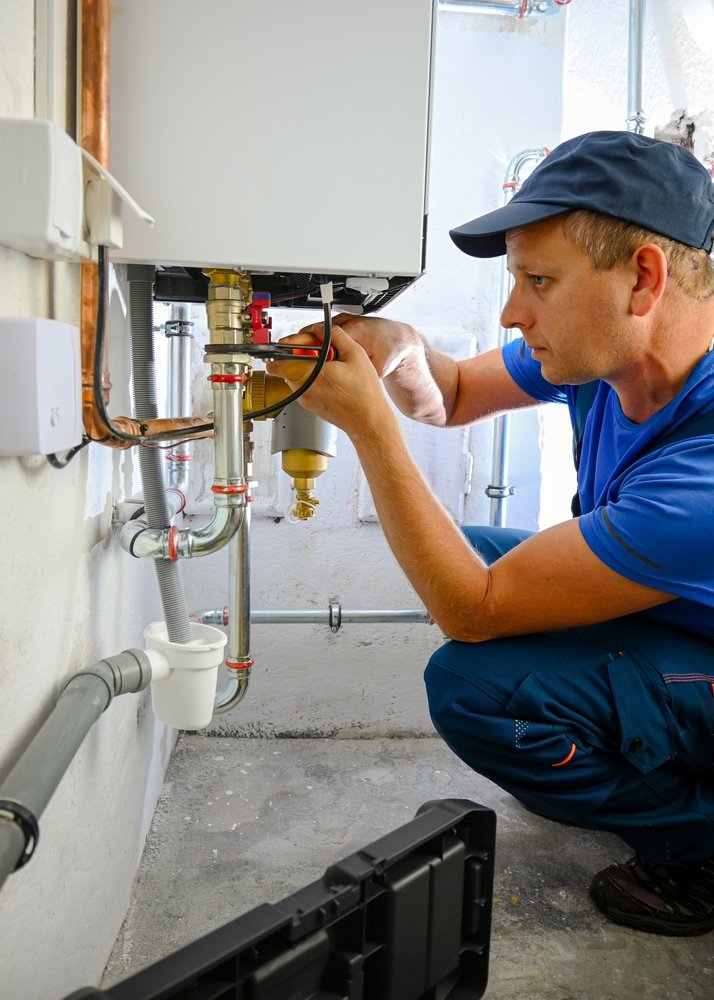
You might smell a strange odor in your kitchen or hear a hissing sound near your laundry room. These signs often point to a dangerous problem that requires immediate professional attention. Many homeowners instinctively call the utility provider first, but they often wonder who handles the actual repair work. The answer to "does a plumber fix a gas leak" is a definite yes.
Plumbers do far more than unclog toilets or fix dripping faucets in your bathroom plumbing. A licensed plumber carries the necessary certifications to install, extend, and repair natural gas piping systems. They understand the intricate network of pipes running behind your walls and under your floors.
Gas lines function similarly to water pipes, but they carry hazardous materials that demand higher safety standards. Finding a qualified professional is critical for the safety of your home and family. We will examine how plumbers like the team at Apex Plumbing & Gas handle a gas leak and why they are the right choice for this job.
Why Plumbers Manage Gas Lines
Most people associate plumbing services strictly with water and sewage systems. However, the definition of plumbing includes the piping systems that convey fluids and gases throughout a building. Gas lines are simply another form of piping that requires specialized training to manage safely.
A licensed plumber undergoes rigorous training to handle the materials used in gas infrastructure, such as black iron, galvanized steel, and copper. They know how to create airtight seals that prevent a gas leak from occurring in the first place. This expertise makes them the primary trade professionals for gas line work.
When you hire a plumbing service for a gas issue, you are paying for their ability to pressure test and certify the system. They possess the tools to locate a leak repair point that might be invisible to the naked eye. This skill set overlaps significantly with leak detection for water pipes.
Recognizing the Signs of a Gas Leak
You need to know the warning signs before you can schedule a gas leak repair. Natural gas is odorless in its original state, which makes it impossible to detect without help. Utility companies add a chemical called mercaptan to create a distinctive scent.
The Distinctive Odor
The most common indicator of a problem is a strong rotten egg smell permeating your home. If this leak smell becomes apparent near your stove or water heater, you likely have a breach in the line. You should never ignore this gas leak smell, even if it seems faint at first.
Physical Symptoms and Sounds
A gas leak can cause physical symptoms like dizziness, nausea, or headaches due to reduced oxygen. In severe cases, carbon monoxide poisoning becomes a risk if the gas appliances are not venting correctly. Additionally, you might hear a hissing or whistling noise coming from the gas pipes behind your appliances.
Environmental Indicators
Gas leaks can also occur outside your home in the service lines running through your yard. You might notice dead patches of grass or vegetation directly above the buried gas lines. Sometimes, bubbling water in a puddle or wet area indicates that gas is escaping from the ground.
Steps to Take If You Smell Gas
Evacuate the Premises Immediately: Leave your home immediately and move to a safe distance where you cannot smell the gas. Do not stop to pack bags or look for pets that are hiding.
Pro Tip: Leave the door open as you exit to help ventilate the area.
Avoid Creating Sparks: Do not touch light switches, electrical appliances, or use your phone while inside the house. Even a tiny spark from a switch can ignite the gas.
Call Emergency Services: Once you are safe, call the gas company or 911 to shut off the main supply. They will make the area safe but will not repair your internal pipes.
Contact a Licensed Plumber: Call a professional like Apex Plumbing & Gas to locate the leak and perform the necessary repairs. They will pressure test the line before turning the gas back on.
Common Causes of Gas Line Issues
Gas pipes are durable, but they do not last forever. Corrosion is a leading cause of leaks in older homes, especially those with galvanized steel pipes. Over time, the protective coating wears away, allowing rust to eat through the metal and create a gas leak.
External forces also play a significant role in damaging your gas lines. A tree root can grow around a buried pipe and exert enough pressure to crack it, similar to how they cause sewer repair issues. Shifting soil from heavy rain or earthquakes can also displace pipes and loosen fittings.
Poor installation practices in the past often lead to leaks today. If the previous technician did not tighten the fittings correctly or used the wrong sealant, a gas leak will eventually develop. This is why hiring a reputable plumbing service is vital for any installation work.
Water Heater and Appliance Connections
Your water heater is one of the most common places for a gas leak to occur. Whether you have a standard tank or a tankless water heater, the gas connection must be secure. The vibration from the unit can sometimes loosen the flex line that connects the gas pipe to the water heater.
We frequently see issues during water heater installation if the installer is not careful. A new water heater requires precise alignment with the gas lines to function safely. If you are upgrading to a tankless water heater, the gas load requirements might change, necessitating an upgrade to your gas pipes.
Professionals, like Apex Plumbing & Gas, often advise that water heaters are not the only culprits; any gas appliance can develop a leak. Furnaces, stoves, and dryers all rely on secure connections. Regular heater maintenance can catch these small leaks before they become major hazards.
Warning: Never attempt a DIY repair on a gas line or gas appliance. The risk of explosion or carbon monoxide poisoning is too high for unlicensed work.
The Benefit of a Multi-Service Provider
When you call a company for a gas leak, you will find that many offer a broad range of plumbing services. A technician fixing your gas line might also be able to handle drain cleaning or sewer repair during the same visit. It is convenient to use one service provider for multiple home maintenance needs.
Many modern plumbing companies have expanded their service areas to include HVAC and electrical work. You might find that the same company can handle your AC repair, furnace repair, and even electrical service upgrades. For example, if you are looking for a leak repair, hiring a plumber in Richland that understands local building codes and soil conditions is key to a lasting repair. This all-in-one approach simplifies home maintenance for the property owner.
The Gas Leak Repair Process
Once you authorize the work, the plumber begins by isolating the section of the pipe with the leak. They use an electronic sniffer or a bubble solution to pinpoint the exact location of the gas leak. Accuracy is vital because they want to minimize the amount of drywall or flooring they need to remove.
If you hire a gas plumber in Jackson to handle this delicate process, they will likely start by cutting out the damaged section of the pipe. They will thread new pipe and install new fittings using proper pipe dope or Teflon tape rated for gas. If the damage is extensive, they might recommend repiping the entire run.
The final step is the most critical part of the process. The plumber will attach a pressure gauge to the system and pump it full of air. The gauge must hold steady for a specific amount of time to prove there are no remaining gas leaks. Only after the system passes this pressure test will the gas company or the plumber turn the natural gas back on.
Preventing Future Gas Leaks
Regular maintenance is the best way to avoid the stress of a gas leak. You should have your water heater and furnace inspected annually. A technician can spot a corroded flue or a loose valve on your water heater before it becomes a gas leak.
Consider upgrading old iron pipes during major renovations. If you are already doing a trenchless sewer repair or a large bathroom plumbing remodel, it makes sense to inspect the gas lines too. Newer flexible gas piping is safer and more resistant to earthquake damage than rigid pipe.
Be careful when digging in your yard for landscaping or sewer repair projects. Always call 811 to have your utility lines marked before you break ground. Hitting a gas line with a shovel is a preventable emergency that happens far too often.
Conclusion
A gas leak is a serious emergency that requires the skill of a professional. Plumbers are the experts you need to call to fix a gas leak safely and effectively. They handle everything from detection to the final pressure test, keeping your home safe.
Whether the leak is near your water heater, under your slab, or in the yard, a licensed plumber has the tools to fix it. Do not hesitate to contact us for emergency plumbing if you smell gas. Your safety and the safety of your family depend on quick action and professional repair.