
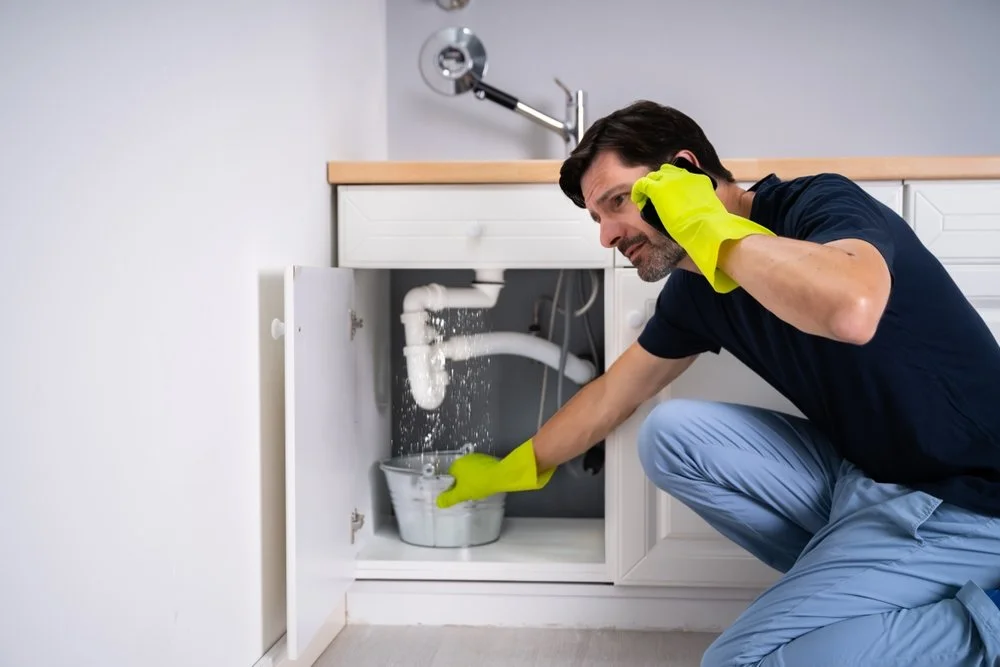
A clogged drain always seems to happen at the worst possible time. You're getting ready for work, hosting guests, or just trying to enjoy a quiet evening at home when suddenly water starts backing up in your sink or tub. You've called the plumber, but they can't arrive for another few hours. What do you do in the meantime?
Don't panic. There are several safe and effective steps you can take right now to manage the situation and possibly even fix the problem yourself. This guide will walk you through everything you need to know while you wait for professional help.
Stop Using Water Immediately
The first and most important rule when dealing with a drain emergency is to stop using water in the affected area. This might seem obvious, but many people keep running the faucet or flushing the toilet, which only makes the problem worse.
If your kitchen sink is clogged, don't run the dishwasher or garbage disposal. If it's a bathroom issue, avoid using the shower, toilet, or sink until you know where the clog is located. Every gallon of water you add to a blocked drain increases the risk of overflow and water damage.
In multi-story homes, be especially careful. A clog in your main drain line could cause water from upstairs to back up into lower-level fixtures. Alert everyone in your household about the problem so nobody accidentally makes things worse.
Assess the Situation Safely
Before you try any fixes, take a moment to understand what you're dealing with. Stand back and look at the situation without putting yourself at risk.
Is water backing up slowly or rapidly? Is it contained to one fixture or affecting multiple drains? Do you notice any sewage odor? These details will help both you and your plumber understand the severity of the problem.
Warning signs that require immediate professional attention:
Sewage backing up into your home
Multiple drains clogging at the same time
Gurgling sounds coming from multiple fixtures
Water pooling around the base of your toilet
Standing water that won't drain at all after several hours
If you see any of these signs, don't attempt DIY fixes. Focus on containment and wait for the professional. Your safety comes first.
Contain the Water
If water has already spilled onto your floor, your next priority is preventing damage to your home. Grab every towel you can find and create barriers around the water. Old towels and bath mats work great for this.
Place towels at doorways to keep water from spreading to other rooms, especially if you have carpet or hardwood floors nearby. If you have a wet/dry vacuum, this is the perfect time to use it. These vacuums can suck up standing water much faster than towels can absorb it.
For basement drains or floor drains, you might want to set up a fan to increase air circulation. This helps prevent mold growth if water has been sitting for a while. Just make sure any electrical equipment stays far away from standing water.
Try These Safe DIY Methods
While you wait for the plumber, there are a few simple methods you can try that won't damage your pipes or make the situation worse. These techniques work best for minor clogs caused by hair, soap, or food particles.
The Plunger Method
A good old-fashioned plunger is your best friend in a drain emergency. Make sure you have the right type. Cup plungers work for sinks and tubs, while flange plungers are designed for toilets. For more stubborn clogs, calling a professional for drain cleaning in Jackson, MS, can quickly restore proper flow and prevent damage to your plumbing system.
Here's how to use a plunger effectively:
Remove the drain cover or stopper if possible
Fill the sink or tub with just enough water to cover the plunger cup
Place the plunger over the drain and create a tight seal
Push down firmly, then pull up quickly without breaking the seal
Repeat 15 to 20 times with vigorous, consistent motions
Check if water starts draining
If you have a double sink, plug the other drain with a wet cloth while you plunge. This prevents air from escaping through the second drain, which makes your plunging more effective.
Hot Water Flush
For grease-related clogs in kitchen sinks, hot water can sometimes break things up. Boil a large pot of water and let it cool for about 30 seconds. You don't want it boiling hot, as this could crack porcelain or damage older pipes.
Pour the hot water slowly down the drain in two or three stages, waiting a few seconds between each pour. This allows the heat to work on the clog. Never use this method if you've already poured chemical drain cleaner down the pipe.
The Baking Soda and Vinegar Approach
This natural cleaning method is safe for most drains and can help with organic clogs. Remove as much standing water as possible first, then follow these steps:
Pour one cup of baking soda down the drain
Follow with one cup of white vinegar
Cover the drain with a plug or wet cloth
Let it sit for 30 minutes
Flush with hot water
The chemical reaction between baking soda and vinegar creates fizzing action that can break up minor clogs. This method is gentle and won't harm your pipes, but it works best on fresh clogs rather than severe blockages.
What Not to Do
Just as important as knowing what to do is understanding what to avoid. Some common "quick fixes" can actually cause serious damage to your plumbing system.
Never use chemical drain cleaners without professional advice. These products contain harsh chemicals that can corrode your pipes, especially if you have older plumbing. They're also dangerous if they splash on your skin or create toxic fumes when mixed with other substances.
Don't use wire coat hangers or makeshift drain snakes. You might have seen videos online showing people fishing clogs out with bent wire hangers. While this sometimes works, it more often scratches the inside of your pipes or pushes the clog deeper. Professional drain snakes are designed specifically to avoid these problems.
Avoid putting caustic substances down your drain. This includes bleach, ammonia, or any mixture of cleaning products. These can create dangerous chemical reactions and damage your pipes.
Don't remove pipes under your sink unless you know what you're doing. While this can sometimes help access a clog, it also risks creating a bigger mess or damaging the connections. Leave this to the professionals unless you have plumbing experience.
Protect Your Home While You Wait
Once you've tried safe DIY methods and contained any water, take steps to protect your home from potential damage.
Move valuable items away from the affected area. This includes rugs, furniture, electronics, and anything stored under sinks. Even if water isn't currently overflowing, it's better to be cautious.
Take photos of the situation for your records. If the drain problem leads to water damage, you may need documentation for insurance claims. Photograph standing water, any water stains, and the affected fixtures from multiple angles.
Turn off the water supply if needed. Most sinks have shut-off valves underneath them. For toilets, look behind the base for a small valve connected to the wall. Turning these off provides extra protection against overflow while you wait.
Prepare Information for Your Plumber
The more information you can provide when the plumber arrives, the faster they can diagnose and fix the problem. Take a few minutes to gather these details:
When did the clog first appear?
What were you doing when it happened (running the dishwasher, taking a shower, etc.)?
Have you noticed slow draining in the past few days or weeks?
Did you recently put anything unusual down the drain?
Are any other drains in your home affected?
Have you tried any DIY methods already?
Do you have a septic system or are you connected to the city sewer?
Write these answers down so you don't forget anything important. Providing detailed information to your plumber can also help speed up water heater repair in Florence, MS, helping them identify the issue quickly and get your system back to full functionality.
Know When It's a Bigger Problem
Sometimes what seems like a simple clogged drain is actually a symptom of a larger plumbing issue. Understanding the difference helps you set realistic expectations and make informed decisions.
If multiple drains in your home are backing up simultaneously, the problem likely involves your main sewer line rather than a single pipe. Tree roots, collapsed pipes, or severe blockages in the main line require specialized equipment and expertise.
Recurring clogs in the same location might indicate problems with pipe slope, venting issues, or buildup of materials that need professional removal. Your plumber might recommend a camera inspection to see exactly what's happening inside your pipes.
Older homes sometimes have outdated plumbing systems that are more prone to clogs. Cast iron pipes can rust and deteriorate over time, creating rough surfaces where debris catches easily. Galvanized steel pipes can build up mineral deposits that narrow the passage. Your plumber can assess whether partial or complete pipe replacement might be necessary.
Prevention Tips for the Future
Once your immediate drain emergency is resolved, take steps to prevent future problems. Small changes in your daily habits can save you from repeat emergencies.
Use drain screens or hair catchers in all your sinks, tubs, and showers. These inexpensive devices catch hair, food particles, and other debris before they enter your pipes. Clean them weekly.
Never pour grease or cooking oil down your kitchen sink. Let it cool and dispose of it in the trash instead. Even small amounts of grease can accumulate over time and create stubborn clogs.
Run hot water down your drains for 30 seconds after each use. This helps clear away soap residue and minor debris before they have a chance to build up.
Schedule regular professional drain cleaning, especially if you have an older home or large family. Most plumbers recommend annual maintenance to catch small issues before they become emergencies.
Final Thoughts
Dealing with a clogged drain is stressful, but staying calm and taking the right steps can prevent the situation from getting worse.
Remember that not every clog needs immediate panic. Many drain issues can be resolved quickly once a plumber arrives with the right tools and expertise. Your job is simply to manage the situation until help arrives. That’s where we come in. Remember to contact our team at Apex Plumbing and Gas for the best service and expertise. We’d be honored to help you put any clogs in the past, where they belong.
Keep this guide handy for future reference, and consider sharing it with family members so everyone knows what to do in a drain emergency. A little knowledge goes a long way toward preventing water damage and reducing stress when plumbing problems strike.
Most importantly, don't hesitate to call for professional help when you need it. Plumbers have specialized training, tools, and experience that make quick work of even stubborn clogs. The sooner they arrive, the sooner you can get back to your normal routine.