
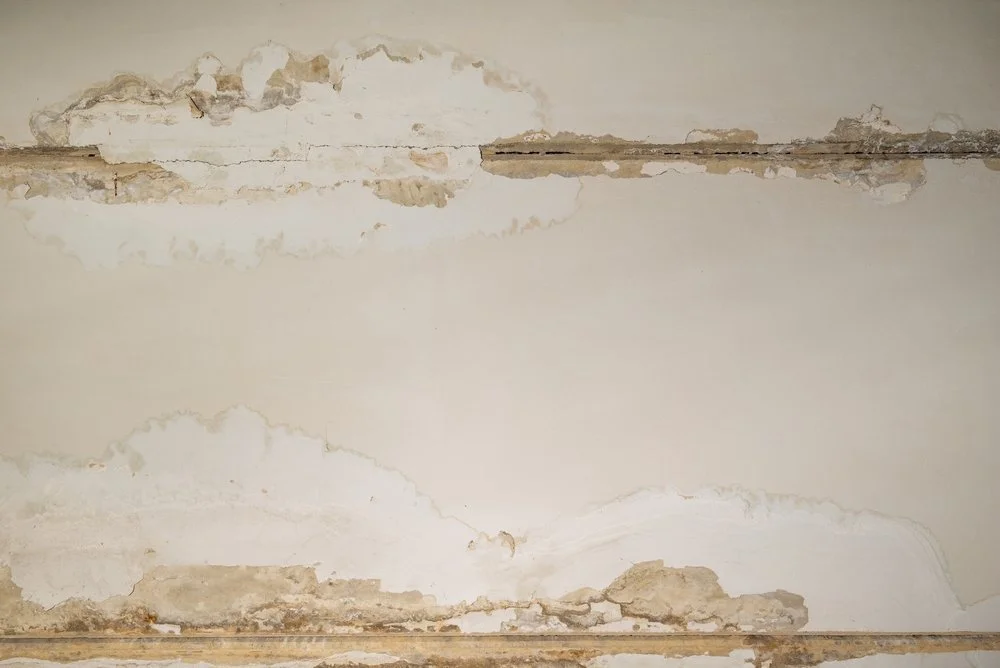
Leak detection is the process of pinpointing hidden water leaks inside walls, under slabs, and in buried supply lines using acoustic listening gear, thermal imaging, pressure testing, and tracer gas, before any water becomes visible. Most hidden leaks give off quiet clues for weeks first: a bill that creeps up, a musty closet, a warm patch of floor.
Catching those clues early is the difference between a $300 repair and a flooring, drywall, and mold remediation bill that runs into the thousands.
What Counts as a Hidden Leak
A hidden leak is any plumbing leak you cannot see from inside the living space, typically in a wall cavity, under a concrete slab, in a crawlspace, or in the underground line between the meter and the house. The water goes somewhere, it just does not land where you can spot it.
These leaks rarely start as a burst. A pinhole in a copper line or a loosened fitting can seep for months, and the EPA reports that the average household's leaks waste nearly 10,000 gallons of water a year, with 10% of homes losing 90 gallons a day or more.
The 6 Subtle Signs of a Hidden Water Leak
Watch for a rising water bill, a moving meter dial with everything off, musty odors, warm or soft floor spots, pressure loss at one fixture, and cosmetic cracks or a stubbornly green patch of lawn. Any one of them justifies a closer look.
1. A Water Bill That Climbs Without a Change in Habits
A jump of 10% to 20% on two consecutive bills, with the same number of people and the same routines, is the single most common first clue. Compare the current bill to the same month last year rather than to last month, since summer irrigation skews the numbers.
A slab leak the size of a pinhole can add 3,000 to 5,000 gallons a month. The bill notices long before the floor does.
2. The Meter Dial Moves With Every Fixture Off
Most residential meters have a small triangular or star-shaped low-flow indicator that spins when any water is moving. If it turns while every tap, toilet, washer, and ice maker is off, water is escaping somewhere between the meter and your fixtures.
This test is free and takes about two minutes. It is the first thing our technicians check on a service call, because it separates a supply-side leak from a drain or roof issue immediately.
3. A Musty Smell in One Room or Cabinet
Mold and mildew can begin colonizing damp drywall within 24 to 48 hours, and the smell shows up well before any stain does. Pay attention to smells that are localized: one bathroom vanity, one hall closet, one corner of a bedroom.
If the odor gets stronger when the HVAC runs, moisture may be sitting in a wall cavity near a return duct. Air movement pulls the smell through the house while the source stays hidden.
4. Warm or Soft Spots on the Floor
A warm patch on tile or vinyl almost always means a hot water line is leaking under the slab. Our area has a large share of slab-on-grade homes, so this is one of the more frequent calls we take.
On wood floors, look for cupping or a spongy feel underfoot. Carpet that stays slightly damp in one spot after a dry week deserves the same attention.
5. Pressure That Drops at a Single Fixture
House-wide pressure loss usually points to the main or the pressure regulator, but a drop at one shower or sink often means a leak in the branch line feeding it. Normal residential pressure runs roughly 40 to 60 psi.
Also listen. A faint hiss or trickling sound in a quiet house with nothing running means water is moving through a line it should not be.
6. Hairline Cracks, Bubbling Paint, and a Patch of Yard That Stays Green
Saturated soil under a foundation shifts, and that movement shows up as hairline cracks in drywall corners, doors that stick, or grout lines that separate. Bubbling or peeling paint on a baseboard is moisture pushing out from behind.
Outside, a strip of lawn that stays lush and soft through a dry August week often sits directly over a leaking service line. Standing water near the meter box tells the same story.
How to Check for a Water Leak Yourself in 20 Minutes
You can confirm whether water is escaping with a meter test and a toilet dye test, both of which require no tools. Neither one locates the leak, but both tell you whether to call a plumber.
Shut everything off. Turn off all faucets, the dishwasher, the washing machine, the ice maker, and any irrigation timer.
Read the meter. Write down the full number, including the sweep hand position, and check the low-flow indicator.
Wait one to two hours without using any water in the house.
Read it again. Any change confirms a leak on the supply side.
Test the toilets. Put 10 drops of food coloring in each tank, wait 15 minutes, and check the bowl. Color in the bowl means a failing flapper, which is a cheap fix and a very common culprit.
Isolate the house. Close the main shutoff at the house and repeat the meter read. If the meter still moves, the leak is in the underground line between the meter and the home.
A single faucet dripping once per second wastes more than 3,000 gallons a year according to the USGS drip calculator, which puts the small stuff in perspective.
What Leak Detection Equipment Professionals Use
Professional leak detection in Jackson relies on non-invasive tools that find the leak without opening walls or breaking concrete at random. The goal is one small access point instead of five exploratory holes.
Acoustic ground microphones that amplify the sound of pressurized water escaping a pipe, even through 4 inches of slab.
Thermal imaging cameras that read surface temperature differences caused by hot or cold water behind a finish.
Tracer gas, usually a safe hydrogen and nitrogen blend, introduced into a drained line and sniffed out where it surfaces.
Line pressure tests that isolate sections of plumbing to narrow down which run is losing pressure.
Video inspection cameras for drain and sewer lines, where leaks are not pressurized and will not make noise.
Some big-box stores offer leak detection equipment rental, and a basic moisture meter is worth owning. Acoustic gear, though, takes training to interpret, which is why searches for leak detection near me usually return service companies rather than top 10 best tool roundups.
When a Slow Leak Becomes an Emergency
Shut off the main and call immediately if you see active pooling water, hear running water inside a wall, notice a sagging ceiling, or find any moisture near electrical outlets or a panel. Those conditions escalate within hours, not days.
Water heaters deserve a separate mention, since a tank that is rusting through can dump 40 to 50 gallons at once. A rust-colored puddle or moisture at the base of the unit is a signal to schedule water heater repair in Jackson before the tank fails outright.
Schedule Your Leak Detection Today
If your meter is moving with the water off or a spot on the floor has stayed warm for a week, we can pinpoint the source without tearing up your home. Apex Plumbing & Gas is a small family-owned shop that prioritizes quality over quantity, so you get a technician who takes the time to find the actual problem. Contact us today to get on the schedule.