
5 Warning Signs Your Water Heater Is About to Fail
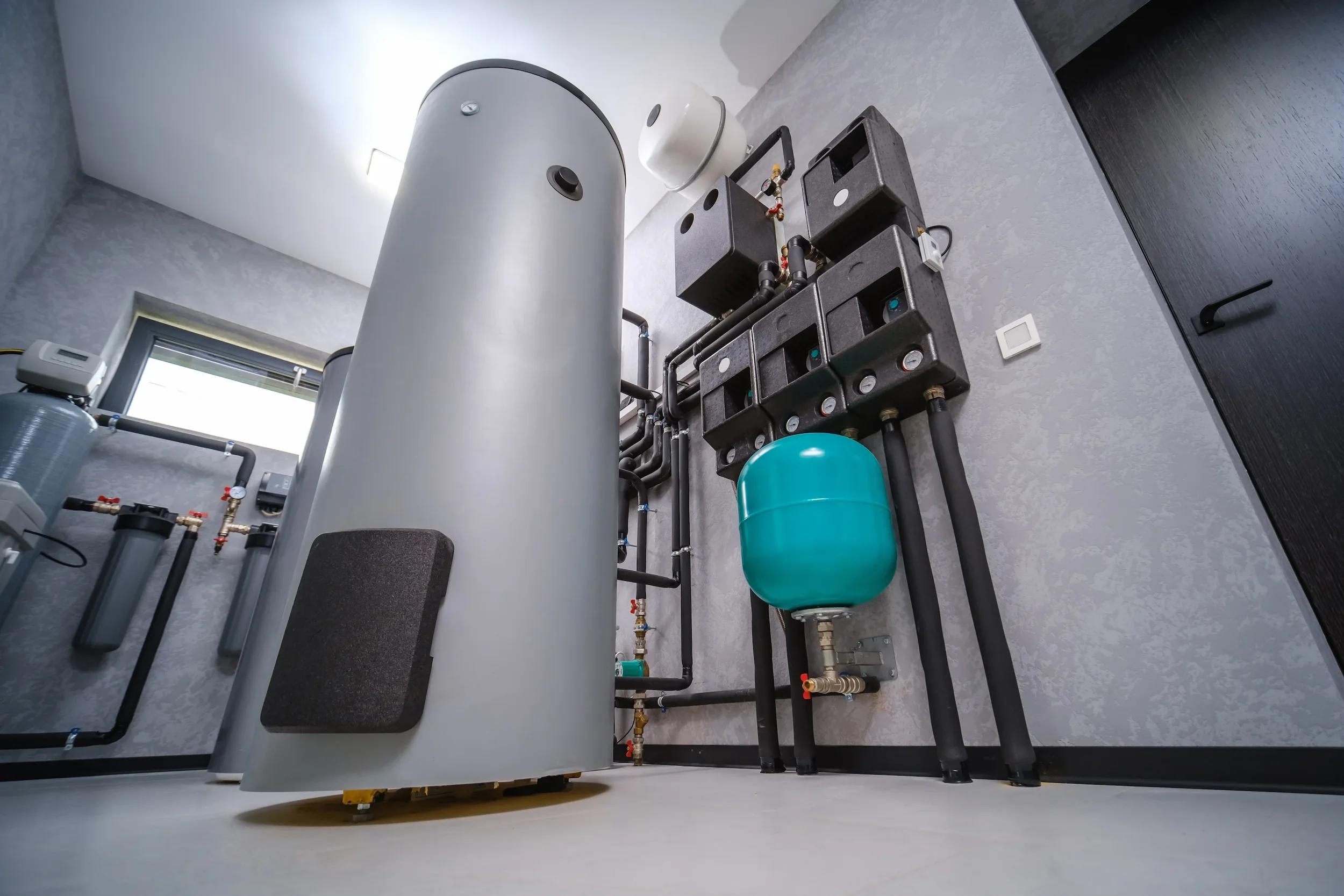
A tank water heater almost never fails without warning. It usually spends weeks or months dropping hints (discolored water, odd noises, a damp spot on the floor) before the shell finally splits and dumps 40 or 50 gallons onto the floor. Catching those hints early is the cheapest plumbing decision most homeowners will make, and it is one of the most common reasons people start looking for plumbing services before an emergency forces the issue. At Apex Plumbing & Gas, we see the same five signals over and over.
Most Tanks Have About a Decade in Them
A standard storage water heater lasts roughly 8 to 12 years, and tankless units often run 15 to 20 with regular descaling. Hard water shortens both numbers, sometimes by a third, because scale builds on the burner surface and the heating elements work harder for the same result.
You can date most units from the serial number on the rating plate, where the first four digits typically encode the month and year of manufacture. The U.S. Department of Energy's water heating guidance is a useful reference for efficiency ratings and setpoints if you are comparing replacement options.
Sign 1: Rusty, Brown, or Metallic-Tasting Hot Water
If the hot side runs orange or brown and the cold side stays clear, the problem is almost certainly inside the tank rather than in your supply line. That color is iron oxide, which means the glass lining has worn through in spots or the sacrificial anode rod has been eaten away and stopped doing its job.
A metallic taste or a smell like rotten eggs points the same direction. An anode rod swap runs about $150 to $300 and can buy several more years, but only if you catch it before the steel underneath starts pitting.
Sign 2: Popping, Rumbling, or Banging From the Tank
Sediment settles at the bottom of every tank over time, and water trapped underneath it boils and forces its way through the layer. That creates the popping or rumbling sound homeowners often describe as gravel tumbling in a dryer.
The noise itself is harmless. The consequences are not, because that sediment layer insulates the burner from the water and forces longer cycles, which cooks the steel and drives up gas or electric use. Two symptoms usually follow within a year or two:
Longer recovery times between showers, even though nothing else in the home changed
Higher utility bills in months with no change in usage
Hairline cracks at the bottom of the tank where metal has been repeatedly overheated
An annual flush prevents most of this, and it is the single maintenance task people skip most often.
Sign 3: Water Pooling Around the Base
Moisture at the bottom of the unit deserves same-day attention. Before you assume the worst, rule out the easy sources: a loose drain valve, sweating cold supply lines in a humid room, or a temperature and pressure relief valve discharging into the pan.
If those check out and the puddle returns, the tank itself is leaking, and there is no repair for a perforated tank. Once the steel gives up, replacement is the only option, so shut off the gas or breaker, close the cold inlet, and plan on a swap within a day or two. A pan with a drain line, or a simple leak alarm under the unit, will save far more than it costs. If you notice water collecting around the base, reaching out to a plumber in Raymond can help you quickly evaluate whether it can be repaired or needs a full replacement.
Sign 4: Hot Water Runs Out Faster Than It Used To
A 50-gallon tank that used to handle back-to-back showers and now taps out halfway through the second one is telling you something specific. On electric models, the lower heating element has usually burned out, leaving only the upper element to heat the top third of the tank. On gas models, sediment or a failing thermocouple and burner assembly is the usual culprit.
Element and thermocouple replacements typically land between $150 and $400 including labor, which makes them worth doing on a unit under eight years old. In the past ten years, that same money has been better applied to a new heater.
Sign 5: Fluctuating Temperatures and a Relief Valve That Weeps
Water that swings from lukewarm to scalding without anyone touching the dial points to a failing thermostat, a cracked dip tube, or mineral-coated elements reading the wrong temperature. A T&P relief valve that drips regularly is a separate red flag, since it means pressure or temperature inside the tank is climbing past safe limits.
Set your thermostat to 120 degrees Fahrenheit. That setting limits scald risk, slows mineral buildup, and still keeps bacteria growth in check for most households. Anything above 140 shortens tank life and raises standby losses noticeably.
Repair vs. Replace: Making the Right Choice Before a Break-In
When your water heater shows one or two of these warning signs, you do not always need a full replacement right away. The right choice comes down to three factors: age, repair cost, and safety.
When to Repair: If your tank is under 8 years old, the leak is coming from a fitting rather than the shell, or the issue is a failed heating element, thermostat, or anode rod, a targeted water heater repair in Pearl usually makes financial sense.
When to Replace: If the tank is past its 10-year mark, the body itself is leaking, or a repair costs more than half the price of a new unit, investing in a new system is the smarter move.
Because modern water heaters involve high-voltage electrical, natural gas lines, and critical exhaust venting, upgrading isn't just about plumbing. Having a dual-certified team handle the swap makes sure that your gas lines, safety valves, and venting meet strict code standards, keeping your hot water reliable and your home completely safe.
Maintenance That Actually Adds Years
Three habits extend the life of a heater more than anything else: flush the tank once a year, inspect the anode rod every three years, and test the relief valve each spring. Homeowners on well water or notably hard municipal water should shorten those intervals.
While a technician has the panel off, it is a sensible time to bundle other work like drain cleaning or a quick check of supply valves. Our team handles that kind of combined visit regularly through our plumbing services in Clinton.
Let us Take a Look at Your Water Heater
If you have noticed rusty water, popping from the tank, or hot water that disappears faster than it should, a short inspection now costs far less than a flooded utility room later. Contact us today at Apex Plumbing & Gas for a straight answer on whether your unit has years left or weeks, and to get on the schedule.