
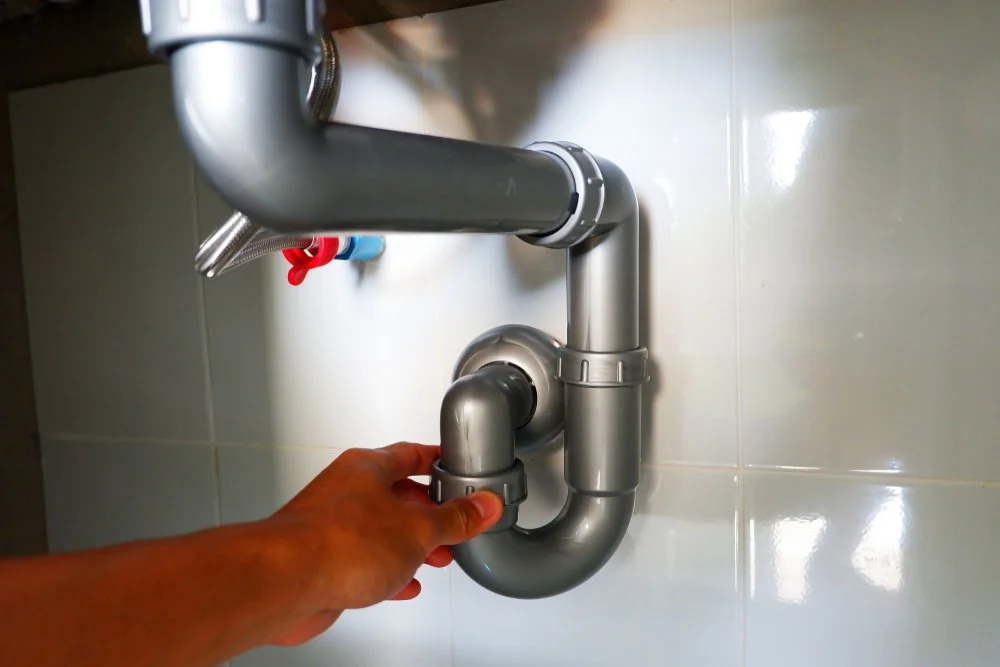
Whenever a foul stench arises from your residential plumbing pipes, there is a high probability of a serious underlying issue. You might notice a persistent, unpleasant odor around your unfinished basement or utility closet. If you are wondering what a running trap is in plumbing, the experts at Apex Plumbing & Gas use these specialized pipe designs to create a natural barrier, stopping harmful sewer gases from entering your living spaces.
Your plumbing system needs constant barriers of water to make sure that no harmful gases enter your living areas. Water collects at the bends in these pipes to create an impenetrable barrier naturally. Major problems can be avoided through understanding how sewer traps work in relation to residential plumbing systems.
Understanding the working of these hidden components will help you avoid a major disaster from occurring. Poor maintenance often results in very costly repairs and poor air quality in the house. Today, we will look at how these liquid barriers work in your drainage systems.
This particular pipe fitting uses a unique dip that is designed specifically within a horizontal drainage pipe. Liquid waste travels through the pipe and pools naturally at the base of the dip. The pool acts as a physical seal that prevents any upward passage of toxic gases originating from the sewer system.
In the absence of this liquid seal, noxious gas can easily travel back into the living quarters within the home. These special fittings are used along horizontal pipe sections, but their design is vastly different from that of common sinks. The fitting itself rests completely within the horizontal drainage pipe. The mechanics of this design allow liquid and waste products to flow through the dip. Gravity guarantees the proper flow of liquid waste while holding enough liquid in place for proper atmospheric sealing.
How the Water Seal Functions
Every time you turn on the water, the new liquid displaces the standing liquid that had been there. This way, you have a layer of liquid that acts as a defense against potentially hazardous hydrogen sulfide and other forms of sewer gases. As a result, this physical barrier keeps the sewer gases from invading your personal breathing space within your dwelling.
A dry dip enables sewer gases to avoid the barrier altogether and make their way inside. Frequent use of the plumbing fixtures guarantees the freshness of this barrier, as well as the purity of the air in your home. However, should any particular plumbing fixture not be in use, the standing liquid will disappear due to evaporation. If this happens, Apex Plumbing & Gas notes that you will need to replenish the standing liquid yourself. Pouring a bucket of clean water back into the drain can solve this issue easily.
Comparing a Running Trap to a Standard Drain Trap
The majority of homeowners would be aware of the normal P-trap pipe fitting just below the sink in their bathrooms. These particular fittings are connected directly to only one plumbing unit before connecting to the vertical wall pipe. In the case of an inline drip, the fitting is set in between two pipes along a continuous path.
At times, the fitting may be seen guarding a condensate drain that is far away from the particular air conditioner unit. These particular types of inline fitting are used to collect wastewater coming out from various locations and not from just one particular place like the P-shape ones.
In the case of regular P-shaped fittings, the pipe drops vertically before connecting to the vertical wall pipe system. However, the inline fittings keep moving horizontally once the mechanical dip completes.
If you are dealing with chronic drainage issues related to an outdated line, reaching out for professional drain cleaning in Jackson can help identify exactly which configuration your home currently uses.
The Historical Building Trap
Large old houses typically have a big cast iron fitting located at or near the main foundation wall. Experienced plumbers commonly call this fitting a house sewer interceptor trap. The main function of this fitting is to separate the city sewer from the house drain.
According to current building codes, the use of such a trap in any building system is usually restricted because of the major ventilation problems caused by it. It greatly hampers proper air circulation and tends to clog the drains. Nowadays, better alternatives are available.
If your historic home still uses a main building trap, monitor its performance very closely. These massive cast-iron fittings often accumulate thick sludge and require professional sewer cleaning services. Removing them entirely often improves the overall performance of the residential drainage network significantly. When navigating old plumbing layouts like these, hiring a seasoned plumber in Raymond guarantees that outdated traps are safely brought up to modern building codes.
Common Drain Trap Locations Found in Your Home
You will see these vital inline fittings guarding equipment in uncompleted basement areas. Take a look around your dark crawlspace and try to locate them next to any large HVAC systems. They work with the frequent overflow from air conditioners or a washing machine in close proximity.
At times, residential construction companies place them right below floor drains to collect additional water on surfaces. This way, they prevent sewer gases from passing through low-level basement drains. They may also be found mounted on old showers located in the basement bathroom area.
It is crucial to give these concealed utility pipes the same amount of care that your exposed kitchen sink pipes get. Most homeowners only take notice of these hidden fixtures once a pungent smell fills the basement. To keep your home safe, Apex Plumbing & Gas highlights these key warning signs of a failing running trap:
Indicators of a Damaged running Trap
Frequent sewer smell coming from floor gratings or utility spaces.
Slow drainage or gurgling coming from multiple connections.
Water spots or moisture around underground entrances.
Visible evidence of a dry U-bend in the cleanout line.
Typical Trap Fixes to Consider
Pour one bucket of water into the basement drain every month to maintain the seal.
Clean out any hair and lint from utility drain gratings.
Perform regular sewer pipe camera inspection for any sludge buildup.
Do not use chemicals that can damage antique cast-iron traps.
Ready to Protect Your Pipes?
The choice in how to handle your residential drainage system depends largely upon the age and configuration of your house along with its code compliance. It's better to keep your barrier up-to-date to avoid potentially deadly sewer gases from penetrating your home.
Get your system checked out by making sure you have your air quality under control. If you think that your current drain block is outdated and ineffective, reach out to the professionals at Apex Plumbing & Gas.